I start with your path to production and choose the tool afterwards.
Where tests, linting and security checks are enforced automatically, a team gets measurably better with AI. Where those gates are missing, it produces more code faster, and nobody can vouch for it.
The offer
The three steps build on each other, and the work happens in your own repositories from day one.
- Step 1
Preparation
2 daysI assess where you stand: your path to production, your test coverage and the AI tools already in use. We also record a baseline to measure against later.
You get: an assessment and a prioritised action plan to base your next decisions on.
- Step 2
Workshop
3 days on siteThree days at your office, in your repositories. We set up the tooling and work on real code together.
You get: instruction files, guardrails, tool integrations and workflows, documented and in production. By the end of day three your team is already working with them.
- Step 3
Follow-up
90 minutes every 6 to 8 weeksThe tools change fast. At regular intervals I go through what's new and what it means for your setup, and I answer questions in between.
You get: a setup that stays current without your team chasing every release.
If the preparation shows gaps
Usually something is missing on the path to production, in the test base or the security checks in CI, for example. We close those gaps together with SHI's engineering team.
Tools
I'm not tied to any tool or vendor.
The major coding assistants now cover the same building blocks. They differ mainly in naming, licensing, integration and data protection. So I build the setup to work with any of them.
Building blocks every major coding assistant covers
- Instruction files
- Specialised agents
- Reusable prompts
- Deterministic guardrails
- Tool integration via MCP
- Planning phases
- Permission management
Models
You choose the model too. I work with all major providers and with models you run yourself.
- AnthropicClaude models
- OpenAIGPT models
- GoogleGemini models
- Open modelsin your own or a European cloud
- Run locallywhen the code must not leave the building
SHI provides services only and neither sells nor resells licences or software products.
Questions I get asked first
- How much faster will our team be?
- I do not put a number on that, and I would be sceptical of anyone who does before seeing your pipeline. In METR's controlled study (2025), experienced developers in familiar codebases took longer with AI and believed they were faster. Without a baseline from before the rollout, every efficiency claim is an assertion, mine included. That is why the work starts with measuring.
- Our test coverage is weak. Should we fix that first?
- Alongside the AI work. Without solid tests, AI accelerates in the wrong direction: more code per day that nobody can check. In most projects I see, the tests are the actual bottleneck, so test automation belongs in the engagement from the start.
- How do we stop an agent from doing something destructive?
- By making it technically impossible. The more independently an AI tool works, the less an instruction in the prompt carries. Permissions, sandboxing, lifecycle hooks that intercept tool calls before they run, and automated checks in CI are what protect you.
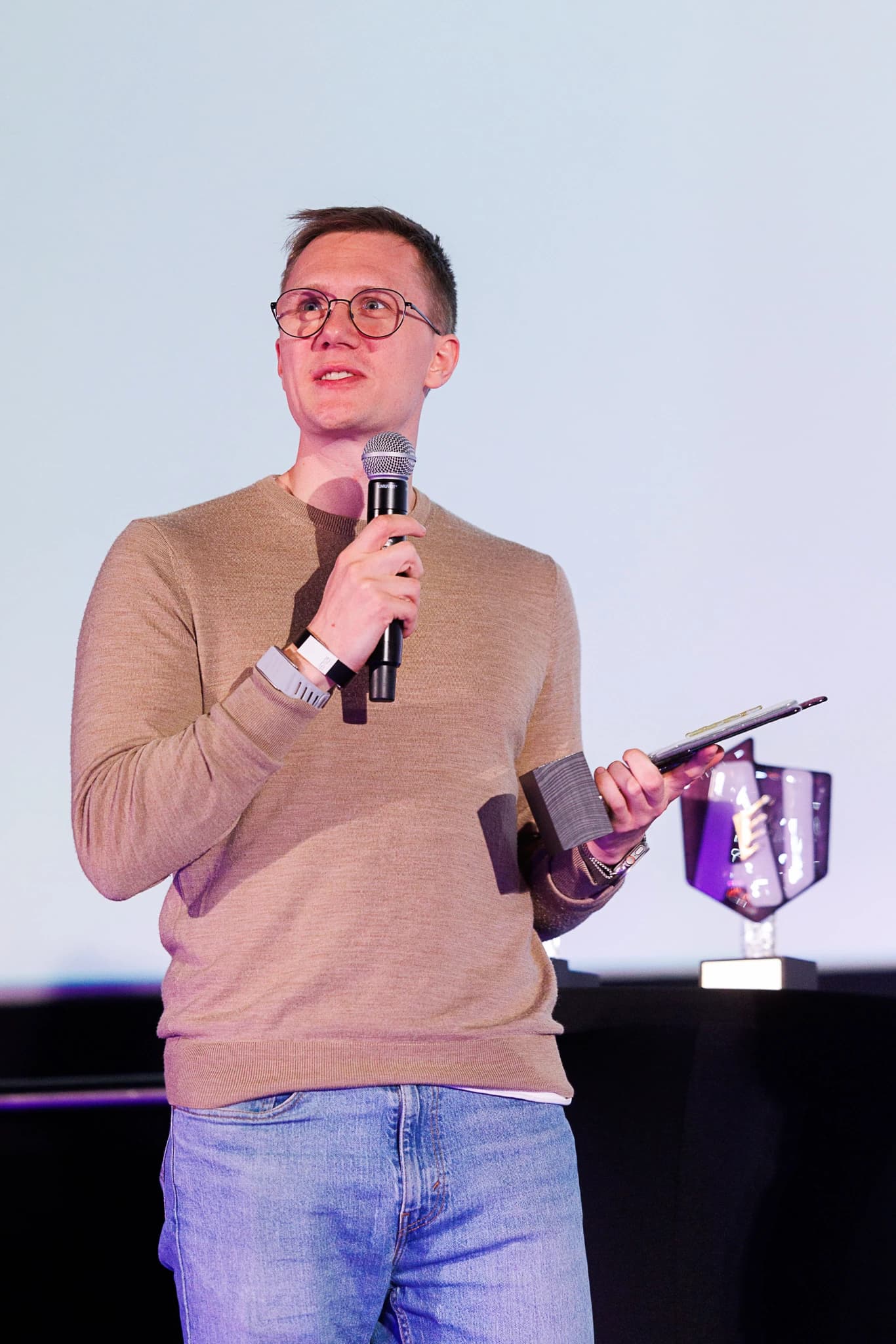
Where does your engineering stand today?
In 20 minutes we work out whether a preparation makes sense for your team. Engagements are contracted through SHI GmbH in Augsburg.
Daniel Sogl, Director of AI Engineering
daniel.sogl@shi-gmbh.com, +49 152 21725601